C語言在中常常出現字符和字符串,而一串字符或者字符串其實就是數組
字符數組的定義
char arr[]={'h','e','l','l','o','\0'};
而定義字符串:
char arr1[]="HELLO";
字符的輸入和輸出可以向一維數組那樣用scanf和printf,而字符也可以用自己特定輸入和輸出函數gerchar和putchar,而用getchar和putchar輸入一串字符
    char arr[1000];
    int i=0,j=0;
    char ch;
    while ((ch=getchar())!='\n') {
        arr[i]=ch;
        i++;
    }
    arr[i]='\0';
    while (arr[j]!='\0') {
        putchar(arr[j]);
        j++;
    }
    printf("\n");
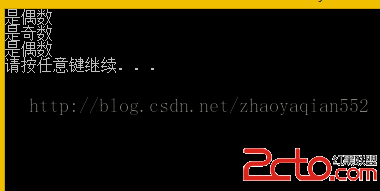
輸出結果:

字符串也有自己特定的輸入和輸出函數
   // gets和puts 字符串的輸入和輸出
    char ch[100];
    gets(ch);
    puts(ch);
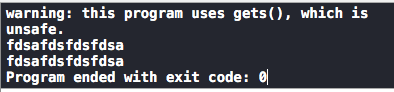
字符串的相關庫函數部分:需要導入頭文件
#include <string.h>
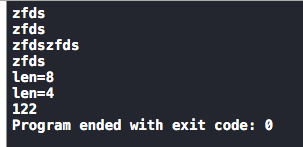
  char str1[30]="wfds";

    char str2[]="zfds";

    strcpy(str1, str2);//把str2復制到str1中,str1的長度要比str2大

    puts(str1);

    puts(str2);

    strcat(str1,str2);//把str2鏈接到str1中,總長度空間大於兩個的空間

    puts(str1);

    puts(str2);

    printf("len=%lu\n",strlen(str1));//計算字符串的長度

    printf("len=%lu\n",strlen(str2));//不包括'\0'

    printf("%d\n",strcmp(str1, str2)) ;
結果:
字符函數部分:需要導入頭文件
#include <ctype.h>
    char ch='a',ch1='A';
    printf("%d\n",isalpha(ch));//是否為字母
    printf("%d\n",isupper(ch));//是否為大寫
    printf("%d\n",islower(ch));//是否為小寫
    printf("%d\n",isdigit(ch));//是否為數字

    printf("%c\n",toupper(ch));//轉變為大寫
    printf("%C\n",tolower(ch1));//轉變為小寫
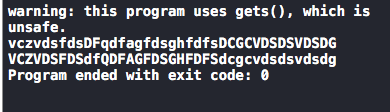
字符串大寫變小寫,小寫變大寫
    char ch[100],ch1;
    gets(ch);
    int i=0;
    while (ch[i]!='\0') {
        ch1=ch[i];
        if (isupper(ch1)==1) {
           ch1= tolower(ch1);
        }else{
            ch1=toupper(ch1);
        }
        putchar(ch1);
        i++;
    }
    printf("\n");
字符串轉為整型或浮點型
需要導入頭文件
#include <stdlib.h>
  //字符串轉

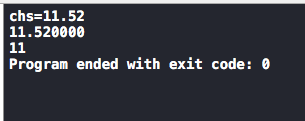
    char *chs="11.52";
    printf("chs=%s\n",chs);
    double d=atof(chs);
    int a=atoi(chs);
    printf("%f\n",d);
    printf("%d\n",a);
數字轉字符串
 int num=1000;
    char chs[100];
    //將num按照%d的格式存儲到chs中
    sprintf(chs,"%d",num);
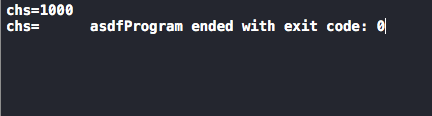
    printf("chs=%s\n",chs);
    //將字符串按照指定的格式存儲
    sprintf(chs, "%10s","asdf");
    printf("chs=%s",chs);