一、建立空窗體
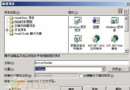
新建一個工程,添加引用,並導入名稱空間。
加入一個設備對象變量:
private Microsoft.DirectX.Direct3D.Device device = null;
添加初始化圖形函數,並在這裡面對設備對象進行實例化:
public void InitializeGraphics()
{
 PresentParameters presentParams = new PresentParameters();
 presentParams.Windowed = true;
 presentParams.SwapEffect = SwapEffect.Flip;
 presentParams.AutoDepthStencilFormat = DepthFormat.D16;
 presentParams.EnableAutoDepthStencil = true;
 device = new Microsoft.DirectX.Direct3D.Device(0, Microsoft.DirectX.Direct3D.DeviceType.Hardware, this,  CreateFlags.HardwareVertexProcessing, presentParams);
}
當程序執行時,需要繪制場景,代碼在這個函數裡:
public void Render()
{
 // 清空設備,並准備顯示下一幀。
 device.Clear(ClearFlags.Target | ClearFlags.ZBuffer, Color.Black , 1.0f, 0);
 // 設置照相機的位置
 SetupCamera();
 //開始場景
 device.BeginScene();
 if(meshLoaded)
 {
  mesh.Render(meshLoc);
 }
 device.EndScene();
 //顯示設備內容。
 device.Present();
}
設置照相機的位置:
private void SetupCamera()
{
 device.Transform.Projection = Matrix.PerspectiveFovLH((float)Math.PI / 4, this.Width / this.Height, 1.0f, 1000.00f);
 device.Transform.View = Matrix.LookAtLH(new Vector3(0.0f ,0.0f, 20.0f), new Vector3(0.0f,0.0f, 0.0f), new Vector3(0,1,0));
}
現在改變主函數,調用我們寫的初始化函數,並顯示場景:
[STAThread]
static void Main()
{
 using (Form1 EarthForm = new Form1())
 {
  EarthForm.InitializeGraphics();
  EarthForm.Show();
  while(EarthForm.Created)
  {
   EarthForm.Render();
   Application.DoEvents();
  }
  EarthForm.Dispose();
}
運行程序,會顯示一個空的窗體。
二、加入地球:
在這一步裡需創建一個3D網格對象,來作為要顯示的地球,為此,在工程中新加入一個類Earth,此類可以包含所創建的網格對象的信息。
加入一些相關變量,含義見注釋:
public class Earth : BaseEarth
{
 private Material[] mMaterials; //保存材質
 private Texture[] mTextures; //保存紋理
 private Matrix locationOffset; //用來保存網格對象的相對位置
 private Mesh mMesh = null; //三角形網格對象
 private Device meshDevice; //需要顯示在哪個設備上。
}
在構造函數中,把Device設備拷貝到私有成員變量,這樣就可以在這個類的其它方法內使用它,另外就是把位置變量進行賦值:
public Earth(ref Device device, Matrix location): base(ref device)
{
 meshDevice = device;
 locationOffset = location;
}
下面這個函數是裝入.X文件。
public bool LoadMesh(string meshfile)
{
 ExtendedMaterial[] mtrl;
 try
 {
  // 裝載文件
  mMesh = Mesh.FromFile(meshfile, MeshFlags.Managed, meshDevice, out mtrl);
  // 如果有材質的話,裝入它們
  if ((mtrl != null) && (mtrl.Length > 0))
  {
   mMaterials = new Material[mtrl.Length];
   mTextures = new Texture[mtrl.Length];
   // 得到材質和紋理
   for (int i = 0; i < mtrl.Length; i++)
   {
    mMaterials[i] = mtrl[i].Material3D;
    if ((mtrl[i].TextureFilename != null) && (mtrl[i].TextureFilename != string.Empty))
    {
     //前面得到的紋理的路徑是相對路徑,需要保存的是絕對路徑,通過應用程序路徑可以獲得
     mTextures[i] = TextureLoader.FromFile(meshDevice, @"..\..\" + mtrl[i].TextureFilename);
    }
   }
  }
  return true;
 }
 catch
 {
  return false;
 }
}
在這個方法內,使用Mesh.FromFile()這個方法,從給定的文件名中找到.X文件,並裝入相關數據,一旦數據格式設置完成,可以從此文件中找到材質和貼圖信息,並把它存放在數組中,並通過文件路徑,得到紋理文件文件的路徑,最後返回真值,如果整個過程出現錯誤,返回假值。