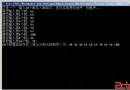
// 多個生產者和多個消費者,能生產n個產品的情況

using System;
using System.Threading;

public class HoldIntegerSynchronized{

 private int[] buffer;  //緩沖區

 private int occupiedBufferCount = 0;

 private int readPosition = 0 , writePosition = 0;
 //下一個讀到的位置和寫到的位置

 public HoldIntegerSynchronized(int capacity){
  buffer = new int[capacity];
 }

 public int BufferSize{
  get{
   return buffer.Length;
  }
 }

 public int Buffer{
  get{
   int bufferCopy;
   // 加鎖
   lock(this){
    while(occupiedBufferCount == 0){ //多個消費者,所以此處改用while
     Console.WriteLine(Thread.CurrentThread.Name + " tries to read. ");
     DisplayState("Buffer Empty. " + Thread.CurrentThread.Name + " waits.");
     Monitor.Wait(this);
     // 為臨界區之外等待的生產者放行,讓他來"生產"
     // 一直到生產者生產結束,調用了Monitor.PauseAll()
     // 才能繼續執行下去,此時,消費者自動重新獲得this的鎖
    }

    --occupiedBufferCount;

    bufferCopy = buffer[readPosition];

    readPosition = (readPosition + 1) % buffer.Length;

    DisplayState(Thread.CurrentThread.Name + " reads " + bufferCopy);


    // 通知,讓等待的 生產者線程 進入Started狀態,如果生產者處於臨界區之外,這句話執行完後他仍然在臨界區之外
    Monitor.PulseAll(this);

   // 釋放鎖
   }//lock
   return bufferCopy;
  }

  set{
   // 加鎖
   lock(this){
    while(occupiedBufferCount == buffer.Length){
     Console.WriteLine(Thread.CurrentThread.Name + " tries to write. ");
     DisplayState("Buffer Full. " + Thread.CurrentThread.Name + " waits.");
     Monitor.Wait(this);
     // 為臨界區之外等待消費者放行,讓他來"消費"
     // 一直到消費者調用了Monitor.Pause()
     // 才能繼續執行下去,此時,生產者自動重新獲得this的鎖
    }

    buffer[writePosition] = value;

    ++occupiedBufferCount;

    writePosition = (writePosition + 1) % buffer.Length;

    DisplayState(Thread.CurrentThread.Name + " writes " + value);

    // 通知,讓Wait狀態的 消費者 進入Started狀態,如果消費者處於臨界區之外,這句話執行完後他仍然在臨界區之外
    Monitor.PulseAll(this);

   // 釋放鎖
   }
  }
 }

 public void DisplayState(string operation){
  Console.Write("{0,-35}",operation);
  for(int i = 0; i < BufferSize; i++ ){
   int a = readPosition;
   int b = writePosition;

   if( a <= i && i < b) {
    Console.Write("{0,-9}",buffer[i]);
   }else if( b < a && !( b <= i && i < a ) ){
    Console.Write("{0,-9}",buffer[i]);
   }else if( occupiedBufferCount == BufferSize){
    Console.Write("{0,-9}",buffer[i]);
   }else{
    Console.Write("{0,-9}","");
   }

  }
  Console.WriteLine("{0}/r/n",occupiedBufferCount);
 }
}

class Producer{
 private HoldIntegerSynchronized sharedLocation;
 private Random randomSleepTime;

 public Producer(HoldIntegerSynchronized shared,Random random){
  sharedLocation = shared;
  randomSleepTime = random;
 }

 public void Produce(){
  for (int count=0; count<3; count++) {
   Thread.Sleep(randomSleepTime.Next(1,2000));
   sharedLocation.Buffer = randomSleepTime.Next(5,10);
  }
  Console.WriteLine(Thread.CurrentThread.Name + " done producing./r/nTerminating " + Thread.CurrentThread.Name + "./r/n");
 }
}

class Consumer{
 private HoldIntegerSynchronized sharedLocation;
 private Random randomSleepTime;

 public Consumer(HoldIntegerSynchronized shared,Random random){
  sharedLocation = shared;
  randomSleepTime = random;
 }

 public void Consume(){
  int sum = 0;
  for (int count=0; count<4; count++) {
   Thread.Sleep(randomSleepTime.Next(1,2000));
   sum += sharedLocation.Buffer;
  }
  Console.WriteLine(Thread.CurrentThread.Name + " read values totaling:" + sum + "/r/nTerminating " + Thread.CurrentThread.Name + ".");
 }
}

class SharedCell{
 static void Main(string[] args){
  HoldIntegerSynchronized holdInteger = new HoldIntegerSynchronized(5);
  Random random = new Random();

  Thread[] producerThreads = new Thread[4];
  Thread[] consumerThreads = new Thread[3];

  Console.Write("{0,-35}","Operation");
  for(int i = 0;i < holdInteger.BufferSize;i++){
   Console.Write("{0,-9}","Elem " + i);
  }
  Console.WriteLine("Occupied Count/r/n");

  for(int i = 0; i < producerThreads.Length;i++){
   Producer producer = new Producer(holdInteger,random);
   producerThreads[i] = new Thread(new ThreadStart(producer.Produce));
   producerThreads[i].Name = "Producer No." + i;
  }

  for(int i = 0; i < consumerThreads.Length;i++){
   Consumer consumer = new Consumer(holdInteger,random);
   consumerThreads[i] = new Thread(new ThreadStart(consumer.Consume));
   consumerThreads[i].Name = "Consumer No." + i;
  }

  for(int i = 0; i < producerThreads.Length;i++){
   producerThreads[i].Start();
  }

  for(int i = 0; i < consumerThreads.Length;i++){
   consumerThreads[i].Start();
  }
 }
}
&可以作為“按位與”或是“取地址”運算符
下面是作為兩種用法的介紹:
1. 按位與運算 按位與運算符"&"是雙目運算符。其功能是參與運算的兩數各對應的二進位相與。只有對應的兩個二進位均為1時,結果位才為1 ,否則為0。參與運算的數以補碼方式出現。
例如:9&5可寫算式如下: 00001001 (9的二進制補碼)&00000101 (5的二進制補碼) 00000001 (1的二進制補碼)可見9&5=1。
按位與運算通常用來對某些位清0或保留某些位。例如把a 的高八位清 0 , 保留低八位, 可作 a&255 運算 ( 255 的二進制數為0000000011111111)。
2.取地址
&作為一元運算符,結果是右操作對象的地址。
例如&x返回x的地址。
地址本身是一個抽象的概念,用於表示對象在存儲器中的邏輯位置
&可以作為“按位與”或是“取地址”運算符
下面是作為兩種用法的介紹:
1. 按位與運算 按位與運算符"&"是雙目運算符。其功能是參與運算的兩數各對應的二進位相與。只有對應的兩個二進位均為1時,結果位才為1 ,否則為0。參與運算的數以補碼方式出現。
例如:9&5可寫算式如下: 00001001 (9的二進制補碼)&00000101 (5的二進制補碼) 00000001 (1的二進制補碼)可見9&5=1。
按位與運算通常用來對某些位清0或保留某些位。例如把a 的高八位清 0 , 保留低八位, 可作 a&255 運算 ( 255 的二進制數為0000000011111111)。
2.取地址
&作為一元運算符,結果是右操作對象的地址。
例如&x返回x的地址。
地址本身是一個抽象的概念,用於表示對象在存儲器中的邏輯位置