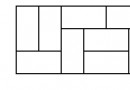
聽說Cocos Studio很久了,主要是因為骨骼動畫。目前看來Cocos2d-x播放動畫的方式只有2種:
第一種:是播放序列幀動畫,即將動畫的每一幀都加載進緩存裡,需要播放時再使用Animation類來播放,這種方法簡單暴力,應對一些細節要求低的動畫場景的時候,這麼干無傷大雅。但是當動畫幀數稍高的時候就會需要大量的圖片,消耗資源很大。
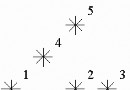
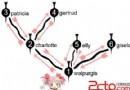
第二種:是由Cocos2d-x提供的Action類來播放動畫,這種動畫是在幀循環中靠調整每次渲染的坐標來打到動畫效果,由於幀循環是1/60秒刷新一次,會讓這樣播放的動畫非常流暢,而且不需要每一幀圖片的資源。這種方案的缺點是播放動畫的節點只能加載一張圖片資源,當我們要實現一個如下的動畫時,
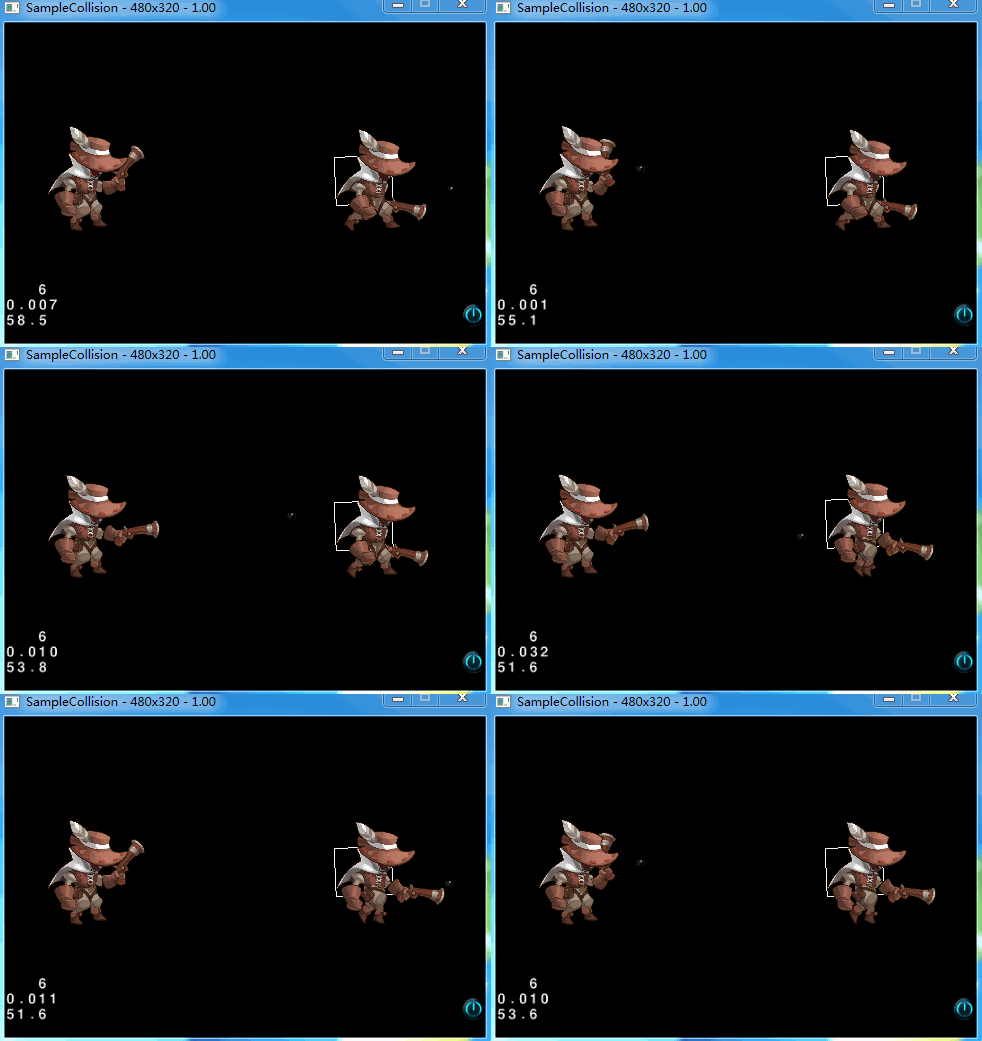
如果單從代碼實現需要創建多個精靈,還要綁定各個精靈之間的協調和聯動,總之會非常非常的麻煩。
骨骼動畫可以兼容以上兩種方法的優點,同時不包含它們的缺點。所以現在越來越多的公司使用Cocos Studio來制作動畫。
要使用Cocos Studio 首先要到官網 http://cn.cocos2d-x.org/download 下載你需要的Studio 版本,由於Cocos2d-x引擎本身的版本迭代速度比較快,有些版本的Studio並不能與引擎兼容,這裡附上論壇上一個較為詳細的版本對應下載 http://www.cocoachina.com/bbs/read.php?tid=154886。我使用的是剛發布不久的3.2版引擎,Cocos Studio 1.5.0.1能夠對其兼容。
初次使用我想完成兩個學習目標:
第一是學會制作骨骼動畫,http://www.cocoachina.com/bbs/read.php?tid=189665 這個鏈接裡有詳細的描述,跟著一步一步來就可以了,我就不做復述了。(小插曲:我在試用mac版本剛發布的studio時發現了很多Bug,建議大家還是在window平台下使用)
第二是在Cocos2d-x工程中使用Studio制作的動畫。
首先在Cocos2d-x的根目錄下找到cocos2d-x-3.2\cocos\editor-support目錄,將cocostudio目錄以及其包含的文件復制到你新建工程所在目錄下。然後用vs打開新建的項目,右擊解決方案-》添加-》現有項目,把cocostudio添加進工程。接著右鍵你的工程-》屬性-》c\c++-》常規-》附加包含目錄,把cocostudio的目錄導入進去。最後接著右鍵你的工程-》屬性-》通用屬性-》引用-》添加新引用。
現在我們可以開始寫代碼了,首先要設計有個Hero類,用他來播放動畫,代碼如下:
 1 #ifndef __HERO_H__
 2 #define __HERO_H__
 3 #include "cocos2d.h"
 4 #include "cocos-ext.h"
 5 #include "CocoStudio.h"
 6 USING_NS_CC;
 7 using namespace cocostudio;
 8 USING_NS_CC_EXT;
 9 enum DIRECTION { LEFT, RIGHT, NONE };
10 class Hero:public Sprite
11 {
12 public:
13     CREATE_FUNC(Hero);
14     bool init();
15     void runLeft(float dt);
16     void runRight(float dt);
17     void attack();
18     void death();
19     void stop();
20
21     DIRECTION dir;
22     Size size;
23     Armature* armature;
24     bool isAniRunLeft;
25     bool isAniRunRight;
26 };
27 #endif
我們在Hero的init函數裡初始化動畫,並調用一個stop函數加載一個站立時的動畫:
 1 #include "Hero.h"
 2
 3 bool Hero::init()
 4 {
 5     Sprite::init();
 6     size = Director::getInstance()->getWinSize();
 7     ArmatureDataManager::sharedArmatureDataManager()->addArmatureFileInfo("Hero0.png", "Hero0.plist", "Hero.ExportJson");
 8     armature = Armature::create("Hero");
 9     armature->setScale(0.7f);
10     armature->setPosition(Vec2(size.width / 2, size.height / 2));
11     addChild(armature);
12     stop();
13
14     dir = NONE;
15     isAniRunLeft = false;
16     isAniRunRight = false;
17     return true;
18 }
19 void Hero::stop()
20 {
21     armature->getAnimation()->play("loading");
22 }
23 void Hero::runLeft(float dt)
24 {
25     float dis = dt * 200;
26     setPositionX(getPositionX() - dis);
27 }
28 void Hero::runRight(float dt)
29 {
30     float dis = dt * 200;
31     setPositionX(getPositionX() + dis);
32 }
33 void Hero::attack()
34 {
35     armature->getAnimation()->play("attack");
36 }
37 void Hero::death()
38 {
39     armature->getAnimation()->play("death");
40 }
接著我們需要一個場景類,讓我們的Hero在這個場景裡面動起來:
 1 #ifndef __HELLOWORLD_SCENE_H__
 2 #define __HELLOWORLD_SCENE_H__
 3
 4 #include "cocos2d.h"
 5 #include "cocos-ext.h"
 6 #include "CocoStudio.h"
 7 #include "Hero.h"
 8 USING_NS_CC_EXT;
 9 class menuDelegate
10 {
11 public:
12     virtual void stopstate() = 0;
13 };
14 class Panel :public Menu
15 {
16 public:
17     menuDelegate* exm;
18     MenuItem* getSelectItem()
19     {
20         return _selectedItem;
21     }
22     static Panel* create()
23     {
24         Panel* ret = new Panel;
25         ret->init();
26         ret->autorelease();
27         return ret;
28     }
29     bool init()
30     {
31         Menu::init();
32         scheduleUpdate();
33         return true;
34     }
35     void update(float dt)
36     {
37         if (this->getSelectItem() && this->getSelectItem()->isSelected())
38             this->getSelectItem()->activate();
39         else
40         {
41             exm->stopstate();
42         }
43     }
44 };
45 class HelloWorld : public cocos2d::Layer,public menuDelegate
46 {
47 public:
48     // there's no 'id' in cpp, so we recommend returning the class instance pointer
49     static cocos2d::Scene* createScene();
50
51     // Here's a difference. Method 'init' in cocos2d-x returns bool, instead of returning 'id' in cocos2d-iphone
52     virtual bool init();
53
54     // a selector callback
55     void menuCloseCallback(cocos2d::Ref* pSender);
56
57     // implement the "static create()" method manually
58     CREATE_FUNC(HelloWorld);
59
60     void stopstate();
61     void update(float dt);
62     void moveRight();
63     void moveLeft();
64     void moveAttack();
65     void moveDead();
66     void loadMenu();
67     Hero* hero;
68     Panel* menu;
69 };
70 #endif // __HELLOWORLD_SCENE_H__
以下是場景類的cpp文件:
  1 #include "HelloWorldScene.h"
  2
  3 USING_NS_CC;
  4 using namespace cocostudio;
  5 Scene* HelloWorld::createScene()
  6 {
  7     // 'scene' is an autorelease object
  8     auto scene = Scene::create();
  9
 10     // 'layer' is an autorelease object
 11     auto layer = HelloWorld::create();
 12
 13     // add layer as a child to scene
 14     scene->addChild(layer);
 15
 16     // return the scene
 17     return scene;
 18 }
 19
 20 // on "init" you need to initialize your instance
 21 bool HelloWorld::init()
 22 {
 23     //////////////////////////////
 24     // 1. super init first
 25     if ( !Layer::init() )
 26     {
 27         return false;
 28     }
 29
 30     Size visibleSize = Director::getInstance()->getVisibleSize();
 31     Vec2 origin = Director::getInstance()->getVisibleOrigin();
 32
 33     /////////////////////////////
 34     // 2. add a menu item with "X" image, which is clicked to quit the program
 35     //    you may modify it.
 36
 37     // add a "close" icon to exit the progress. it's an autorelease object
 38     auto closeItem = MenuItemImage::create(
 39                                            "CloseNormal.png",
 40                                            "CloseSelected.png",
 41                                            CC_CALLBACK_1(HelloWorld::menuCloseCallback, this));
 42
 43     closeItem->setPosition(Vec2(origin.x + visibleSize.width - closeItem->getContentSize().width/2 ,
 44                                 origin.y + closeItem->getContentSize().height/2));
 45
 46     // create menu, it's an autorelease object
 47     auto menu = Menu::create(closeItem, NULL);
 48     menu->setPosition(Vec2::ZERO);
 49     this->addChild(menu, 1);
 50
 51     /////////////////////////////
 52     // 3. add your codes below...
 53
 54     // add a label shows "Hello World"
 55     // create and initialize a label
 56
 57     auto label = LabelTTF::create("Hello World", "Arial", 24);
 58
 59     // position the label on the center of the screen
 60     label->setPosition(Vec2(origin.x + visibleSize.width/2,
 61                             origin.y + visibleSize.height - label->getContentSize().height));
 62
 63     // add the label as a child to this layer
 64     this->addChild(label, 1);
 65     loadMenu();
 66     hero = Hero::create();
 67     addChild(hero);
 68     scheduleUpdate();
 69     return true;
 70 }
 71 void HelloWorld::update(float dt)
 72 {
 73     if (hero->dir == RIGHT)
 74     {
 75         hero->runRight(dt);
 76     }
 77     if (hero->dir == LEFT)
 78     {
 79         hero->runLeft(dt);
 80     }
 81 }
 82 void HelloWorld::loadMenu()
 83 {
 84     Size size = Director::getInstance()->getWinSize();
 85     auto closeItem1 = MenuItemImage::create("CloseNormal.png", "CloseSelected.png", CC_CALLBACK_0(HelloWorld::moveLeft, this));
 86     auto closeItem2 = MenuItemImage::create("CloseNormal.png", "CloseSelected.png", CC_CALLBACK_0(HelloWorld::moveRight, this));
 87     auto closeItem3 = MenuItemImage::create("CloseNormal.png", "CloseSelected.png", CC_CALLBACK_0(HelloWorld::moveAttack, this));
 88     auto closeItem4 = MenuItemImage::create("CloseNormal.png", "CloseSelected.png", CC_CALLBACK_0(HelloWorld::moveDead, this));
 89     menu = Panel::create();
 90     menu->addChild(closeItem1);
 91     menu->addChild(closeItem2);
 92     menu->addChild(closeItem3);
 93     menu->addChild(closeItem4);
 94     menu->alignItemsHorizontally();
 95     menu->setPositionY(menu->getPositionY() / 2);
 96     menu->exm = this;
 97     addChild(menu);
 98 }
 99
100 void HelloWorld::moveRight()
101 {
102     if (hero->dir == NONE)
103         hero->armature->getAnimation()->play("run");
104     float num = hero->armature->getRotationY();
105     if (num == -180)
106     {
107         hero->armature->setRotationY(0);
108     }
109     hero->dir = RIGHT;
110 }
111 void HelloWorld::moveLeft()
112 {
113     if (hero->dir == NONE)
114         hero->armature->getAnimation()->play("run");
115     float num = hero->armature->getRotationY();
116     if (num == 0 )
117     {
118         hero->armature->setRotationY(-180);
119     }
120     hero->dir = LEFT;
121 }
122 void HelloWorld::moveDead()
123 {
124     hero->death();
125 }
126 void HelloWorld::moveAttack()
127 {
128     hero->attack();
129 }
130 void HelloWorld::stopstate()
131 {
132     if (hero->dir == NONE)
133         return;
134     float num = hero->armature->getRotationY();
135     if (num == 0)
136     {
137         hero->stop();
138         CCLOG("111111");
139     }
140     else if (num == -180)
141     {
142         hero->stop();
143         hero->armature->setRotationY(-180);
144     }
145     hero->dir = NONE;
146 }
147 void HelloWorld::menuCloseCallback(Ref* pSender)
148 {
149 #if (CC_TARGET_PLATFORM == CC_PLATFORM_WP8) || (CC_TARGET_PLATFORM == CC_PLATFORM_WINRT)
150     MessageBox("You pressed the close button. Windows Store Apps do not implement a close button.","Alert");
151     return;
152 #endif
153
154     Director::getInstance()->end();
155
156 #if (CC_TARGET_PLATFORM == CC_PLATFORM_IOS)
157     exit(0);
158 #endif
159 }
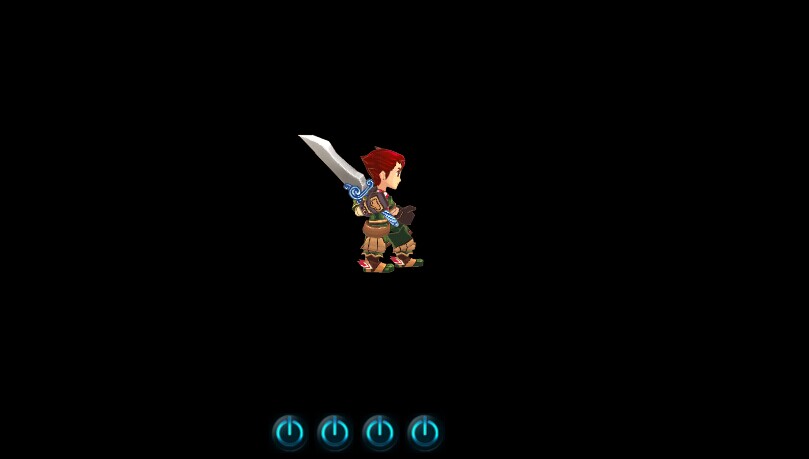
運行後的效果如下:
cocos2dx和unity3d一樣都是游戲引擎。一款開源,跨平台的引擎。采用C++等編碼。可以在VS上編寫代碼也可以在Mac的Xcode上編寫代碼。cocos2dstudio是cocos推出的和cocos2dx配合的制作UI界面等的美工工具。
望采納。
CocosStudio只搞動畫和界面,沒有cocos2d無法實現邏輯,無法運行你的項目。Cocos2d是一個游戲開發框架,而游戲開發用到的界面可以由CocoStudio來完成。CocoStudio是由Cocos2d框架團隊做出來的一個搞界面的軟件。CocoStudio不登錄也可以使用,因為我從來都沒有登錄過。