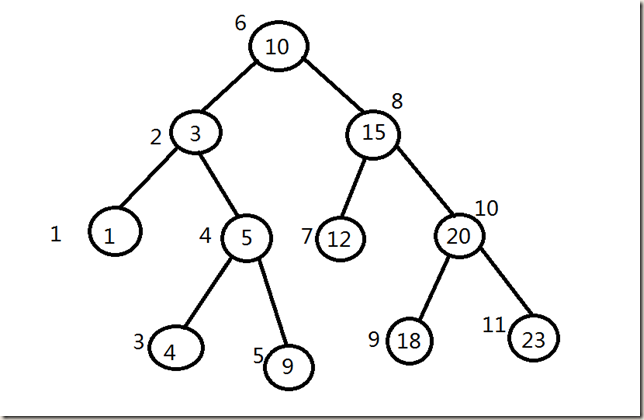
Set容器特點:
① Set容器是一個不包含重復元素的Collection,並且最多包含一個null元素,它和List容器相反,Set容器不能保證其元素的順序;
② 最常用的兩個Set接口的實現類是HashSet和TreeSet;
HashSet及常用API
① HashSet擴展AbstractSet並且實現Set接口;
② HashSet使用散列表(又稱哈希表)進行存儲;
③ 構造方法:
a) HashSet()
b) HashSet(Collection c)
c) HashSet(int capacity)
d) HashSet(int capacity,float fillRatio)
④ HashSet沒有定義任何超過它的父類和接口提供的其它方法;
⑤ 散列集合沒有確保其元素的順序,因為散列處理通常不參與排序;
1         HashSet<String> data=new HashSet<String>();
2         data.add("張三");
3         data.add("李四");
4         data.add("jay");
5         data.add("jack");
6         data.add("jay");
7         System.out.println(data);
輸出結果:
[李四, 張三, jay, jack]
此處第二個jay沒有存入;
可以將其打印出來System.out.println(data.add("jay"));,結果顯示第一個為true,第二個為false
編寫一個Student類:
 1 class Student{
 2     private String name;
 3     private int age;
 4     public Student(String name, int age) {
 5         super();
 6         this.name = name;
 7         this.age = age;
 8     }
 9     public String getName() {
10         return name;
11     }
12     public void setName(String name) {
13         this.name = name;
14     }
15     public int getAge() {
16         return age;
17     }
18     public void setAge(int age) {
19         this.age = age;
20     }
21 }
主方法中添加及輸出
1         HashSet<Student> stuSet=new HashSet<Student>();
2         System.out.println(stuSet.add(new Student("張三",20)));
3         System.out.println(stuSet.add(new Student("李四",30)));
4         System.out.println(stuSet.add(new Student("張三",20)));
5         System.out.println(stuSet.size());
6
輸出結果: