原型模式的定義:
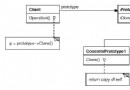
用原型實例指定創建對象的種類,並且通過拷貝這些原型創建新的對象。
原型模式結構圖:
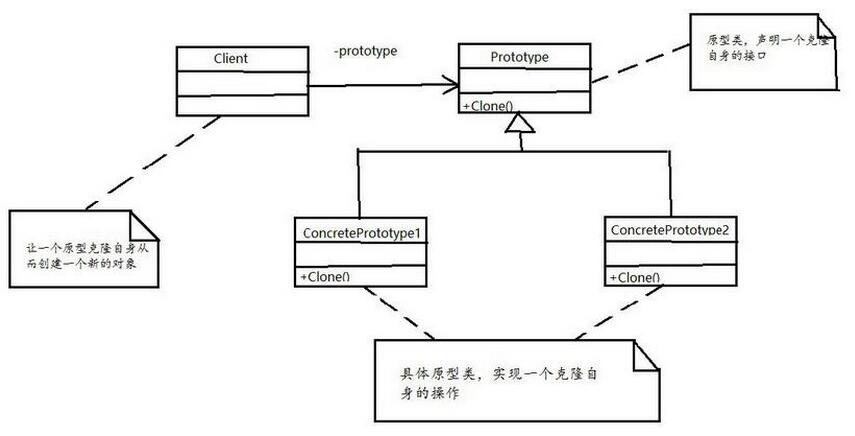
創建型模式中一個比較特殊的模式-原型模式,有個最大的特點是克隆一個現有的對象,這個克隆的結果有2種,一種是淺度復制,另一種是深度復制。
創建型模式一般是用來創建一個新的對象,然後我們使用這個對象完成一些對象的操作,我們通過原型模式可以快速的創建一個對象而不需要提供專門的new()操作就可以快速完成對象的創建,這無疑是一種非常有效的方式,快速的創建一個新的對象。
1.原型模式:淺度復制
定義一個接口, 用來表述所有的顏色對象接口
  /// <summary>
  /// 顏色接口
  /// </summary>
  public interface IColor
  {
    IColor Clone();
    int Red { get; set; }
    int Green { get; set; }
    int Blue { get; set; }
  }
給出紅色的具體實現代碼:
  public class RedColor:IColor
  {
    public int Red { get; set; }
    public int Green { get; set; }
    public int Blue { get; set; }

    public IColor Clone()
    {
      return (IColor)this.MemberwiseClone();
    }
  }
具體的測試代碼如下:
    static void Main(string[] args)
    {
      IColor color = new RedColor();
      color.Red = 255;
      Console.WriteLine("color -red " + color.Red); //225
      IColor color1 = color.Clone();
      color1.Red = 224;
      Console.WriteLine("color1-red " + color1.Red);//224
      Console.WriteLine("color -red " + color.Red); //225
    }
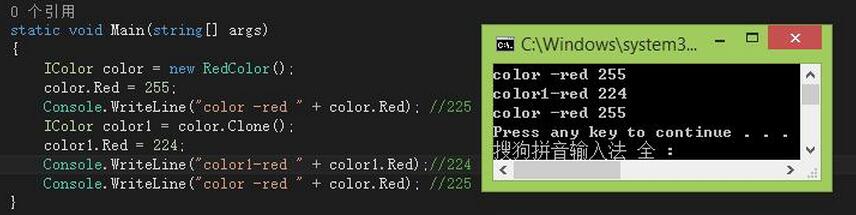
可以發現:在我們修改color1對象的Red屬性值,沒有對color的屬性參生影響,即對象副本的修改不會影響對象本身的狀態。
2.原型模式:深度復制
深復制考慮的情況相對來說就會比較復雜,因為有可能對象是之間有繼承關系或者引用關系的時候,可能我們深復制的時候就需要注意.一般來說深復制一方面可以采用種簡單的深復制對象的時候的方案,還可以通過序列化的形式來進行對象的復制。下面通過序列化的形式來實現原型模式:
using System;
using System.Collections.Generic;
using System.Linq;
using System.Text;
namespace ConsoleApplication4
{
  /// <summary>
  /// 顏色接口
  /// </summary>
  public interface IColor
  {
    IColorDemo Clone();

    int Red { get; set; }
    int Green { get; set; }
    int Blue { get; set; }
    Factroy f{get;set;}
  }

  /// <summary>
  /// 生產顏色的工廠信息
  /// </summary>
  [Serializable]
  public class Factroy
  {
    public string name { get; set; }
  }
}

using System;
using System.Collections.Generic;
using System.Linq;
using System.Text;
namespace ConsoleApplication4
{
  /// <summary>
  /// 顏色
  /// </summary>
  [Serializable]
  public class RedColor:IColor
  {
    public int Red { get; set; }
    public int Green { get; set; }
    public int Blue { get; set; }
    public Factroy f { get; set; }

    public IColor Clone()
    {
      SerializableHelper s = new SerializableHelper();
      string target = s.Serializable(this);
      return s.Derializable<IColor>(target);
    }
  }
}
序列化幫助類:
/// <summary>
  /// 序列化和反序列化輔助類
  /// </summary>
  public class SerializableHelper
  {
    public string Serializable(object target)
    {
      using (MemoryStream stream = new MemoryStream())
      {
        new BinaryFormatter().Serialize(stream, target);

        return Convert.ToBase64String(stream.ToArray());
      }
    }

    public object Derializable(string target)
    {
      byte[] targetArray = Convert.FromBase64String(target);

      using (MemoryStream stream = new MemoryStream(targetArray))
      {
        return new BinaryFormatter().Deserialize(stream);
      }
    }

    public T Derializable<T>(string target)
    {
      return (T)Derializable(target);
    }
  }
測試:
  static void Main(string[] args)
  {
    IColor color = new RedColor();
    color.Red = 255;
    color.f = new Factroy() { name="湖北工廠" };
    Console.WriteLine("color - Factroy:" + color.f.name); //湖北工廠

    IColor color1 = color.Clone();
    color1.Red = 234;
    color1.f.name = "北京工廠";
    Console.WriteLine("color1- Factroy:" + color1.f.name); //北京工廠
    Console.WriteLine("color - Factroy:" + color.f.name); //湖北工廠
    Console.Read();
  }
程序的運行結果如下:
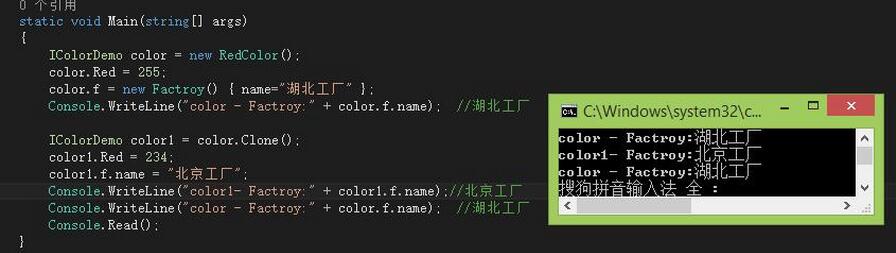
結論:通過序列化和反序列化形成新的對象。其實只要是項目中要使用原型模式進行對象復制的情況下,都可以通過序列化的形式來進行深復制。
以上就是本文的全部內容,希望對大家的學習有所幫助,也希望大家多多支持幫客之家。