本文實例講述了Laravel重寫用戶登錄的方法。分享給大家供大家參考,具體如下:
class AuthController extends Controller
{
  //
  use ThrottlesLogins, AuthenticatesAndRegistersUsers;
  protected $redirectTo = 'admin/index';
  protected $loginView = 'admin/login';
  protected $guard = 'admin';
  protected $redirectAfterLogout = 'admin/login';
  protected $maxLoginAttempts = 5; //每分鐘最大嘗試登錄次數
  protected $lockoutTime = 600; //登錄鎖定時間
  function __construct()
  {
    $this->middleware('guest:admin', ['except' => 'logout']);
  }
  protected function validator(array $data)
  {
    return Validator::make($data, [
      'username' => 'required|max:255',
      'email' => 'required|email|max:255|unique:admin_users',
      'password' => 'required|confirmed|min:6',
    ]);
  }
  /**
   * @param Request $request
   */
  protected function validateLogin(Request $request)
  {
    $this->validate($request,[
      $this->loginUsername() => 'required',
      'password' => 'required',
      'captcha' => 'required|captcha'
    ], [
      'email.required' => '郵箱必須',
      'password.required' => '密碼必須',
      'captcha.captcha' => '驗證碼錯誤',
      'captcha.required' => '驗證碼必須',
    ]);
  }
  /**
   * 重寫登錄
   * @param Request $request
   * @return \Illuminate\Http\RedirectResponse|\Illuminate\Http\Response
   */
  public function login(Request $request)
  {
    $this->validateLogin($request);
    // If the class is using the ThrottlesLogins trait, we can automatically throttle
    // the login attempts for this application. We'll key this by the username and
    // the IP address of the client making these requests into this application.
    $throttles = $this->isUsingThrottlesLoginsTrait();
    //dd($this->hasTooManyLoginAttempts($request));
    if ($throttles && $lockedOut = $this->hasTooManyLoginAttempts($request)) {
      $this->fireLockoutEvent($request);
      //日志記錄
      $this->login_logs(['email'=>$request->input('email'), 'login_ip'=>$request->ip(), 'login_result'=>0, 'comments'=>'限制登錄10分鐘']);
      return $this->sendLockoutResponse($request);
    }
    $credentials = $this->getCredentials($request);
    if (Auth::guard($this->getGuard())->attempt($credentials, $request->has('remember'))) {
      //日志記錄
      $this->login_logs(['email'=>$request->input('email'), 'login_ip'=>$request->ip(), 'login_result'=>1, 'comments'=>'登錄成功']);
      return $this->handleUserWasAuthenticated($request, $throttles);
    }
    // If the login attempt was unsuccessful we will increment the number of attempts
    // to login and redirect the user back to the login form. Of course, when this
    // user surpasses their maximum number of attempts they will get locked out.
    if ($throttles && ! $lockedOut) {
      //日志記錄
      $this->login_logs(['email'=>$request->input('email'), 'login_ip'=>$request->ip(), 'login_result'=>0, 'comments'=>'登錄失敗']);
      $this->incrementLoginAttempts($request);
    }
    return $this->sendFailedLoginResponse($request);
  }
  /**
   * 登錄記錄
   * @param $data
   */
  private function login_logs ($data)
  {
    LoginLog::create($data);
  }
}
直接重寫login方法,其實我是復制了原方法然後加入了一些自己的東西。
主要的一些修改就是:
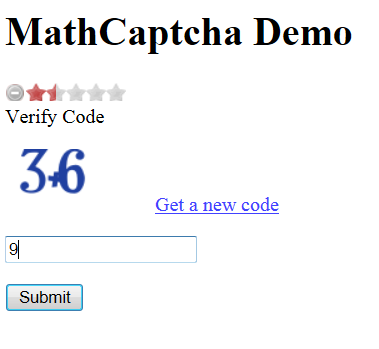
1. 加入驗證碼(自定義了驗證信息及提示)。
2. 後台登錄頻率的限制。
3. 登錄日志記錄。
更多關於Laravel相關內容感興趣的讀者可查看本站專題:《Laravel框架入門與進階教程》、《php優秀開發框架總結》、《smarty模板入門基礎教程》、《php日期與時間用法總結》、《php面向對象程序設計入門教程》、《php字符串(string)用法總結》、《php+mysql數據庫操作入門教程》及《php常見數據庫操作技巧匯總》
希望本文所述對大家基於Laravel框架的PHP程序設計有所幫助。