最近,在使用通用權限管理系統開發一個項目,數據庫是MSSQL,登錄時出現一個錯誤,發現是記錄登錄日志時出現的錯誤。
由於每次登錄,都會記錄登錄日志,就是在記錄日志時出現了錯誤。
先把錯誤截圖
可以看出與記錄登錄日志的表BaseLoginLog的ID有關系,打開該表
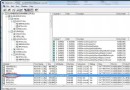
發現該表的ID是nvarchar(50)類型,查詢一下該表的數據,截圖如下
可看到,ID實際存儲的是GUID類型數據,然後我在調試底層代碼,找到三個地方:
 1         /// <summary>
 2         /// 記錄登錄日志
 3         /// </summary>
 4         /// <param name="systemCode">系統編碼</param>
 5         /// <param name="userId">用戶ID</param>
 6         /// <param name="userName">登錄用戶名</param>
 7         /// <param name="ipAddress">IP地址</param>
 8         /// <param name="macAddress">MAC地址</param>
 9         /// <param name="loginStatus">登錄結果</param>
10         /// <returns></returns>
11         public static string AddLog(string systemCode, string userId, string userName, string ipAddress, string macAddress, string loginStatus)
12         {
13             BaseLoginLogEntity entity = new BaseLoginLogEntity();
14             entity.SystemCode = systemCode;
15             entity.UserId = userId;
16             entity.UserName = userName;
17             entity.IPAddress = ipAddress;
18             entity.MACAddress = macAddress;
19             entity.LoginStatus = loginStatus;
20             entity.CreateOn = DateTime.Now;
21             string tableName = BaseLoginLogEntity.TableName;
22             if (BaseSystemInfo.BusinessDbType == CurrentDbType.Oracle)
23             {
24                 tableName += DateTime.Now.ToString("yyyyMM");
25             }
26             BaseLoginLogManager loginLogManager = new BaseLoginLogManager(tableName);
27             return loginLogManager.Add(entity, true, false);
28         }
 1         /// <summary>
 2         /// 添加, 這裡可以人工干預,提高程序的性能
 3         /// </summary>
 4         /// <param name="entity">實體</param>
 5         /// <param name="identity">自增量方式,表主鍵是否采用自增的策略</param>
 6         /// <param name="returnId">返回主鍵,不返回程序允許速度會快,主要是為了主細表批量插入數據優化用的</param>
 7         /// <returns>主鍵</returns>
 8         public string Add(BaseLoginLogEntity entity, bool identity = false, bool returnId = false)
 9         {
10             this.Identity = identity;
11             this.ReturnId = returnId;
12             return this.AddObject(entity);
13         }
 1         /// <summary>
 2         /// 添加登錄日志  多數據庫支持
 3         /// </summary>
 4         /// <param name="entity">登錄日志實體</param>
 5         public string AddObject(BaseLoginLogEntity entity)
 6         {
 7             string key = string.Empty;
 8             if (!string.IsNullOrWhiteSpace(entity.Id))
 9             {
10                 key = entity.Id.ToString();
11             }
12             SQLBuilder sqlBuilder = new SQLBuilder(DbHelper, this.Identity, this.ReturnId);
13             sqlBuilder.BeginInsert(this.CurrentTableName, this.PrimaryKey);
14             if (!this.Identity)
15             {
16                 // 這裡已經是指定了主鍵了,所以不需要返回主鍵了
17                 sqlBuilder.ReturnId = false;
18                 sqlBuilder.SetValue(this.PrimaryKey, entity.Id);
19             }
20             else
21             {
22                 if (!this.ReturnId && (DbHelper.CurrentDbType == CurrentDbType.Oracle || DbHelper.CurrentDbType == CurrentDbType.DB2))
23                 {
24                     if (DbHelper.CurrentDbType == CurrentDbType.Oracle)
25                     {
26                         sqlBuilder.SetFormula(this.PrimaryKey, "SEQ_" + this.CurrentTableName.ToUpper() + ".NEXTVAL ");
27                     }
28                     if (DbHelper.CurrentDbType == CurrentDbType.DB2)
29                     {
30                         sqlBuilder.SetFormula(this.PrimaryKey, "NEXT VALUE FOR SEQ_" + this.CurrentTableName.ToUpper());
31                     }
32                 }
33                 else
34                 {
35                     if (this.Identity && (DbHelper.CurrentDbType == CurrentDbType.Oracle || DbHelper.CurrentDbType == CurrentDbType.DB2))
36                     {
37                         BaseSequenceManager sequenceManager = new BaseSequenceManager(DbHelper);
38                         entity.Id = sequenceManager.Increment(this.CurrentTableName);
39                         sqlBuilder.SetValue(this.PrimaryKey, entity.Id);
40                     }
41                 }
42             }
43             this.SetObject(sqlBuilder, entity);
44             sqlBuilder.SetDBNow(BaseLoginLogEntity.FieldCreateOn);
45             if (this.Identity && (DbHelper.CurrentDbType == CurrentDbType.SqlServer || DbHelper.CurrentDbType == CurrentDbType.Access))
46             {
47                 key = sqlBuilder.EndInsert().ToString();
48             }
49             else
50             {
51                 sqlBuilder.EndInsert();
52             }
53             if (this.Identity && (DbHelper.CurrentDbType == CurrentDbType.Oracle || DbHelper.CurrentDbType == CurrentDbType.DB2))
54             {
55                 return entity.Id.ToString();
56             }
57             return key;
58         }
從代碼中可以看出,並沒有對ID進行賦值的地方,本來想將底層代碼改一下,將生成一個GUID後作為ID值加入進去,後來考慮到這麼做不是很好,
考慮到可以直接改一下數據庫中的字段類型,將原來的nvarchar(50)類型改為uniqueidentifier類型,並設置了默認值(newid())。
如下圖:
再次運行項目,錯誤不在出現了。
大家在使用通用權限管理系統開發項目中,如果遇到一些問題,可加入“通用權限管理系統”QQ交流群:371168832,一起交流、共同提高。